14th Mar, 2026
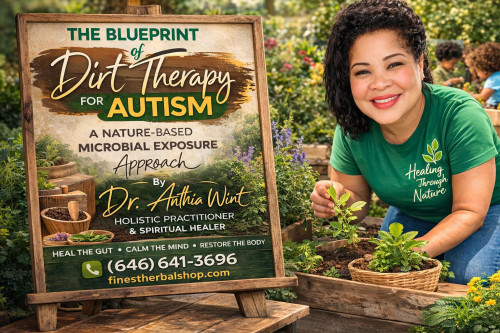
The Blueprint of Dirt Therapy for Autism
A Nature-Based Microbial Exposure Approach
By Dr. Anthia Wint – Holistic Practitioner & Spiritual Healer
Introduction
For thousands of years, human beings lived in close relationship with the earth. Children played in soil, families cultivated gardens, and communities lived in harmony with the natural rhythms of the land. This daily interaction with nature exposed the body to a wide diversity of beneficial microorganisms that helped strengthen immunity, support gut health, and regulate the nervous system.
In contrast, modern lifestyles have significantly reduced natural environmental exposure. Children today often spend most of their time indoors, interacting with sanitized environments and technology rather than nature. While hygiene is important, excessive sterilization may limit the beneficial microbial exposure that helps develop healthy immune and neurological systems.
For children living with Autism Spectrum Disorder, many researchers and holistic practitioners believe that restoring a healthy relationship with nature may provide supportive benefits. Dirt Therapy,
also known as Nature-Based Microbial Exposure,is an approach that encourages safe interaction with natural soil, gardens, plants, and outdoor environments.
This article presents The Blueprint of Dirt Therapy for Autism, a holistic framework designed to reconnect children with the natural microbial world while supporting sensory development, emotional balance, and overall well-being.
Understanding the Science of Soil and the Brain
Healthy soil is one of the most biologically diverse environments on earth. A single teaspoon of natural soil can contain billions of microorganisms, including bacteria that interact with the human immune and nervous systems.
One such microorganism is Mycobacterium vaccae, a naturally occurring soil bacterium studied for its potential mood-supporting and immune-regulating properties. Research suggests that exposure to this microbe may stimulate serotonin pathways in the brain, sometimes referred to as the body’s “happiness chemical.”
Many individuals with autism experience gut microbiome imbalances, immune irregularities, and inflammation that may influence neurological function. Because the digestive system communicates closely with the brain through the gut-brain axis, improving microbial diversity may support overall neurological balance.
Dirt Therapy is based on the principle that exposure to healthy environmental microbes helps educate the immune system and may encourage healthier microbial diversity within the body.
The Five Pillars of Dirt Therapy for Autism
The blueprint developed by Dr. Anthia Wint focuses on five key pillars that work together to support the child’s physical, neurological, and emotional development.
Pillar 1: Safe Soil Interaction
The first pillar is safe interaction with healthy, chemical-free soil. This exposure introduces beneficial microbes while also providing sensory stimulation that can help regulate the nervous system.
Children can engage in simple activities such as:
• digging soil
• planting herbs or vegetables
• watering plants
• building small garden beds
• exploring textures of soil and sand
These activities stimulate tactile sensory pathways and help children develop coordination, curiosity, and confidence.
It is important that the soil used is organic, pesticide-free, and uncontaminated to ensure safety.
Pillar 2: Sensory Garden Therapy
Many children with autism experience sensory processing differences. A sensory garden provides a natural environment where children can safely explore textures, scents, colors, and sounds.
Herbs commonly used in sensory gardens include:
• lavender for calming
• lemon balm for relaxation
• peppermint for mental stimulation
• chamomile for soothing energy
Gardens filled with aromatic herbs stimulate the senses gently while providing natural relaxation through plant compounds.
Pillar 3: Barefoot Grounding
Grounding, sometimes called earthing, involves direct skin contact with the earth. Walking barefoot on grass, sand, or natural soil may help calm the nervous system and reduce stress.
For children with autism, grounding activities can support:
• emotional regulation
• sensory integration
• relaxation of the nervous system
• connection with the natural environment
Even 10–20 minutes of barefoot outdoor time can help create calming effects.
Sunlight exposure is essential for vitamin D production and circadian rhythm balance. Many children spend limited time outdoors, which may contribute to vitamin D deficiency and disrupted sleep cycles.
Outdoor movement in natural environments supports:
• physical activity
• improved sleep patterns
• immune health
• mood regulation
Activities may include walking, gardening, stretching, or gentle play in natural spaces.
Pillar 5: The Gut-Healing Nutrition Connection
Because the gut microbiome plays an important role in neurological health, Dirt Therapy is often paired with nourishing foods that support gut balance.
Gut-supportive foods may include:
• fresh vegetable juices
• fermented foods
• leafy greens
• fiber-rich vegetables
• herbal teas
These foods help nourish beneficial gut bacteria while reducing inflammatory foods that may disrupt digestive balance.
Creating a Dirt Therapy Routine
A simple weekly routine can introduce children to nature safely and gradually.
Example Routine
3–4 days per week:
• 20 minutes gardening or soil play
• 10 minutes barefoot grounding
• 15 minutes outdoor play in sunlight
• calming herbal tea or nutrient-rich juice afterward
Consistency is more important than intensity. Gentle, repeated exposure to nature helps the body adapt and respond positively.
Safety Considerations
While Dirt Therapy is simple, safety is essential.
Guidelines include:
• use organic soil free from chemicals
• avoid contaminated urban soil
• supervise young children during soil play
• wash hands after outdoor activities
• avoid soil exposure during open wounds or illness
When practiced responsibly, nature exposure is generally safe and beneficial.
The Spiritual Dimension of Healing
As a Holistic Practitioner and Spiritual Healer, Dr. Anthia Wint teaches that healing is not only physical but also spiritual. The earth itself is a gift from our Creator, filled with natural elements that support life and restoration.
Connecting with the soil, plants, sunlight, and natural rhythms can nurture a child’s spirit as well as their body. Nature often provides a peaceful environment that encourages calmness, curiosity, and emotional balance.
Many families report that children become more relaxed, focused, and joyful when they spend regular time in natural environments.
Conclusion
The Blueprint of Dirt Therapy for Autism offers a gentle, nature-centered approach to supporting children’s health and development. By reconnecting children with soil, plants, sunlight, and microbial diversity, families can create environments that encourage balance within the body and mind.
While Dirt Therapy is not a medical cure for autism, it represents an important reminder: the natural world contains powerful elements that can support human health when approached with wisdom and care.
Through gardens, soil, sunlight, and nourishing foods, children may rediscover a healing relationship with the earth.
And sometimes, the path toward wellness begins with something as simple as placing our hands back into the soil.
Dr. Wint also encourages nature connection practices such as gardening and soil interaction (“dirt therapy”), which may help promote grounding, sensory regulation, and emotional calm.
For guidance on holistic wellness and supportive herbal protocols,
Contact Dr. Anthia Wint – Holistic & Spiritual Healer
📞 (646) 641-3696
🌐 finestherbalshop.com
🌐 fhsconsultation.com
FolloW Us
@dranthiawint
finestherbshop
finestherbalshop